
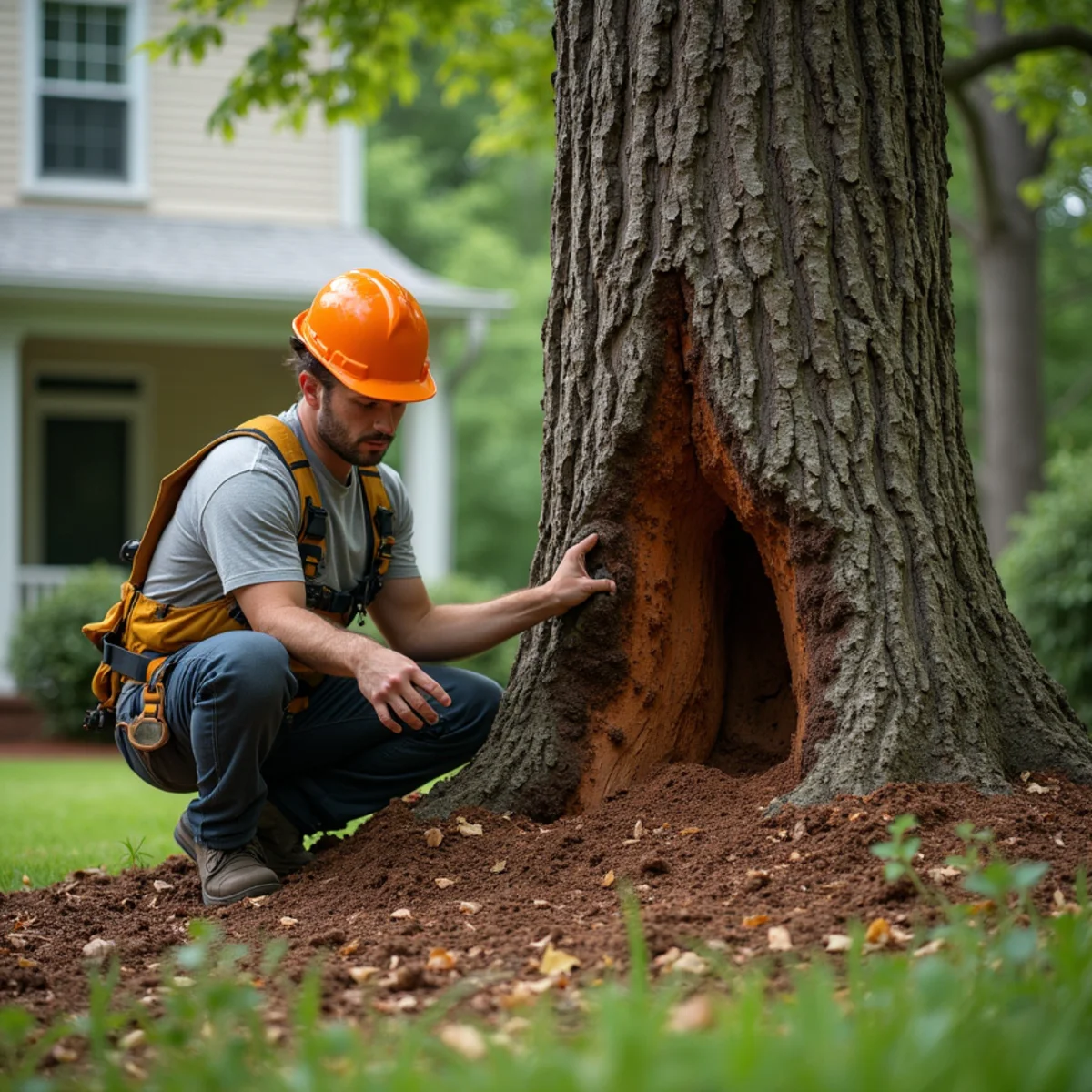
A leaning tree is dangerous if the lean developed suddenly, exceeds 15 degrees, exhibits mounded soil or cracked roots on the opposite side, or features deep trunk fissures. Naturally curved trees growing toward sunlight are often stable, but mechanical root failures require immediate intervention. Call Joe's Tree Care at (855) 615-0568 for emergency hazard inspections across Salisbury, NC.
Natural Phototropism vs. Imminent Mechanical Failure
Not every tilted tree in your yard represents an emergency. As trees grow in suburban settings, they naturally exhibit phototropism—curving their upper branches and trunks toward open sunlight away from neighboring canopies. Over 20 or 30 years, a tree can develop an S-shaped sweep or a gentle curve with a solid, undisturbed root plate.
However, when a tree begins leaning suddenly, or when a previously straight trunk develops a sharp angle at ground level following heavy rain or high winds, the tree has suffered mechanical structural failure. Distinguishing between a benign natural growth curve and a catastrophic hazard is essential for every Rowan County homeowner.
The 7 Critical Warning Signs of a Dangerous Leaning Tree
Our certified arborists look for these seven critical indicators when conducting structural risk evaluations:
- Mounded Soil on the Opposite Side (Root Plate Heave): Look at the ground directly opposite the direction of the lean. If the soil is cracked, raised up like a small hill, or exposing fresh white feeder roots, the windward anchor roots have torn free from the earth. The tree is in active failure.
- Sudden Lean Following Rain or Storms: A tree that shifted noticeably after a storm has suffered root shearing in saturated Piedmont red clay. A sudden tilt of just 5 to 10 degrees is an urgent emergency.
- Deep Vertical Seams and Shear Cracks: Inspect the lower trunk for vertical fissures or split bark seams. When internal wood fibers snap under bending tension, cracks open along the trunk, indicating the hinge wood has failed.
- Co-Dominant Stems Splitting at the V-Crotch: If a multi-trunk tree is leaning because the central union has begun splitting apart, the failure will accelerate as wind moves the heavy branches.
- Fungal Conks and Shelf Mushrooms at the Base: Fungal fruiting brackets growing on buttress roots indicate that wood-rotting pathogens have hollowed out the subterranean anchor wood.
- Lean Angle Exceeding 15 Degrees Toward a Target: Any tree with an unnatural lean greater than 15 degrees that is oriented toward a dwelling, driveway, patio, or power line presents an unacceptable target risk.
- Severed Roots from Recent Construction: If utility trenching, driveway paving, or foundation excavation severed major roots within the tree's drip line within the past 1 to 3 years, the tree has lost structural counter-leverage.
Leaning Tree Hazard Classification & Action Matrix
Use this evaluation matrix to assess the risk level of leaning trees on your property:
| Physical Indicator | Root Flare Condition | Risk Level | Recommended Arborist Action |
|---|---|---|---|
| Gentle Curved Trunk Sweep | Undisturbed, flat soil; wide healthy buttress roots. | Low (Benign Growth) | Keep tree; monitor annually; routine clearance trimming. |
| Moderate Lean Away from Targets | Stable soil; minor surface root exposure in open woods. | Moderate | Canopy end-weight reduction pruning to balance center of gravity. |
| Fresh Crack in Soil Behind Lean | Soil mounding 2 to 6 inches upward; torn roots visible. | Severe / Critical | Immediate emergency extraction; do NOT occupy impact zone. |
| Splitting Co-Dominant Stem Union | Deep vertical fissure weeping sap at branch crotch. | High Risk | Evaluate for through-rod cabling or immediate sectional removal. |
The 'Barber-Chair' Danger in Leaning Tree Removals
Cutting down a heavily leaning tree is one of the most hazardous operations in professional logging and arboriculture. When a tree leans severely, the wood fibers on the upper side of the lean are under tremendous tensile stretch, while fibers on the underside are compressed. If an untrained tree cutter attempts a standard back-cut with a chainsaw, the wood can split vertically up the trunk before the cut is completed—an explosive failure known as a barber-chair.
A barber-chairing trunk kicks backward with lethal velocity, destroying equipment and crushing operators. Joe's Tree Care utilizes chain-binding binders, boring plunge cuts, and counter-tension hydraulic winches through our hazardous tree removal protocols. Where necessary, we deploy crane equipment to lift the tree straight up, eliminating all tension before cutting.
For urgent tree stabilization in Salisbury, Spencer, or China Grove, contact Joe's Tree Care for fast 24/7 emergency tree removal dispatch.
Step-by-Step Visual Field Guide
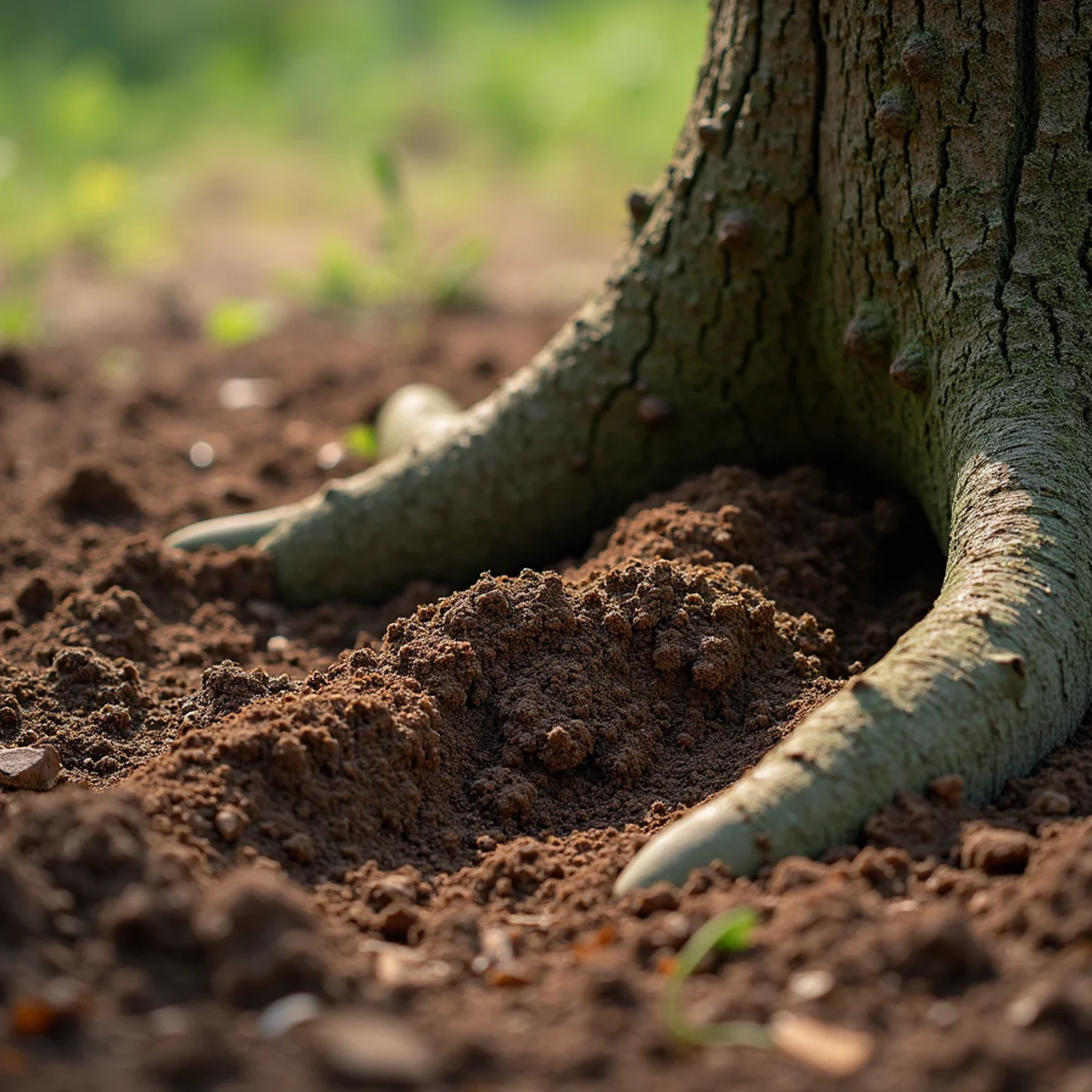
Soil mounding and cracking at root flare of leaning oak tree

Snapped fresh white tree roots exposed by ground upheaval
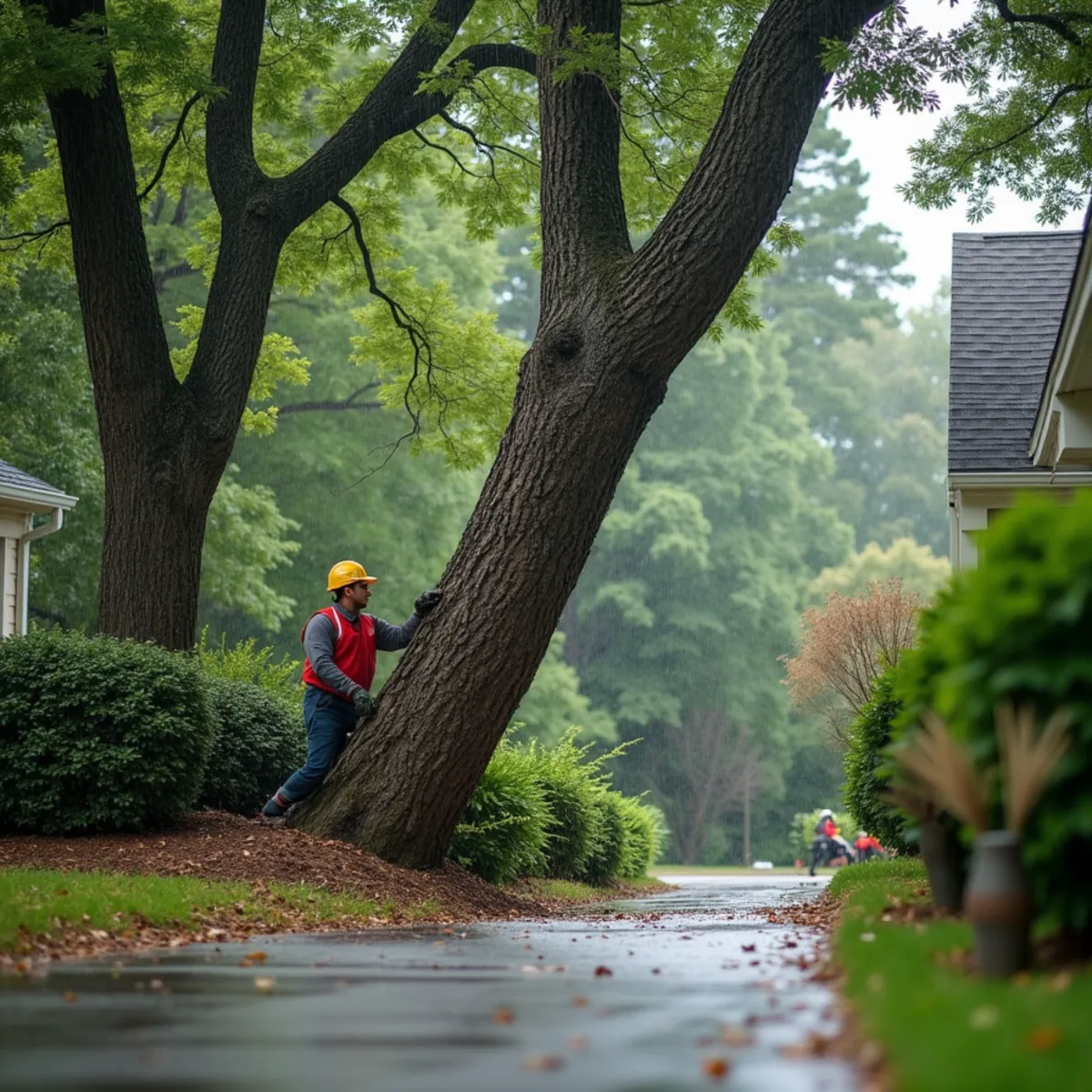
Tree leaning severely toward residential driveway after heavy rain
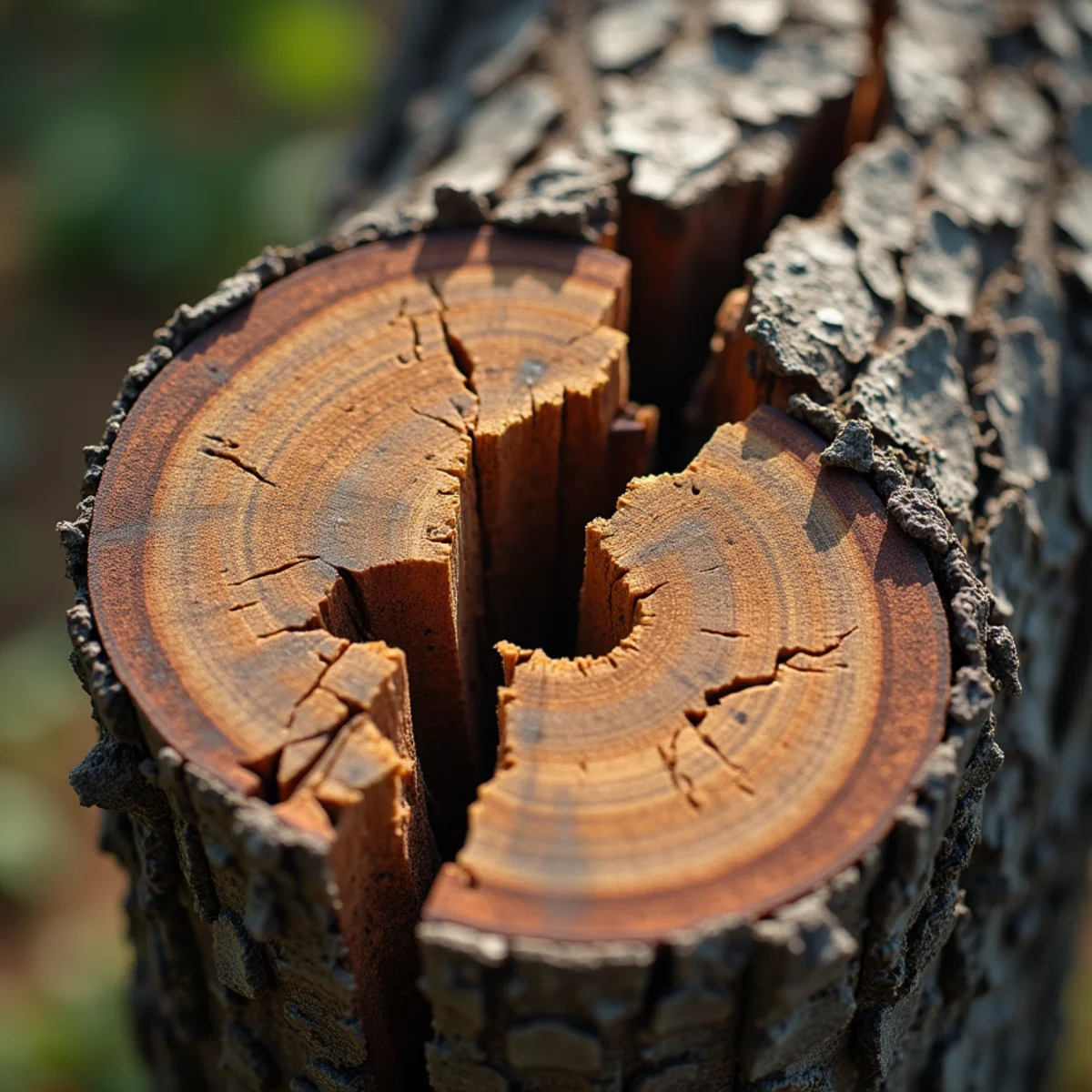
Longitudinal stress fracture splitting hardwood trunk bark

Bracket mushrooms and decay cavity at base of leaning tree
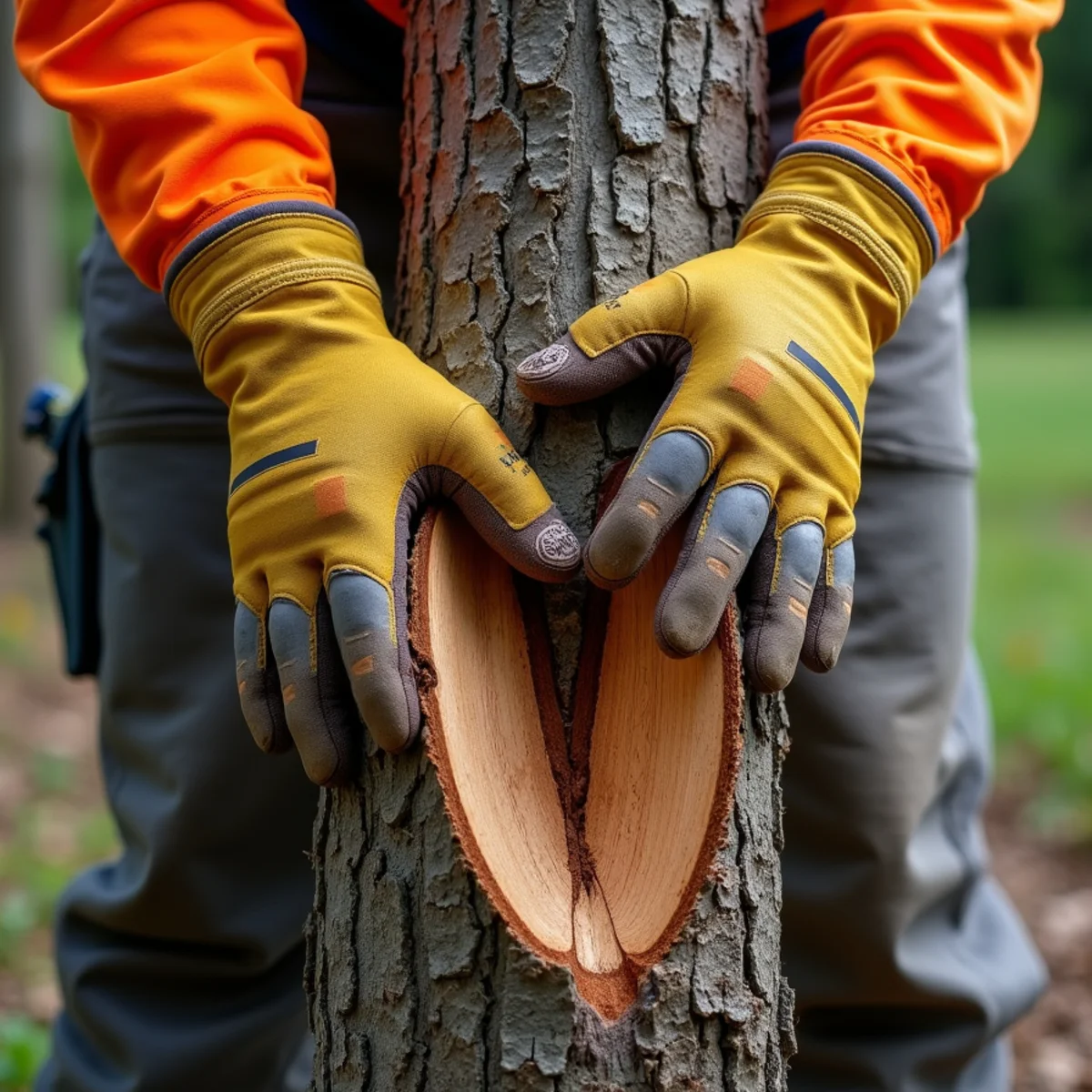
Tight V-shaped trunk union with included bark splitting under stress
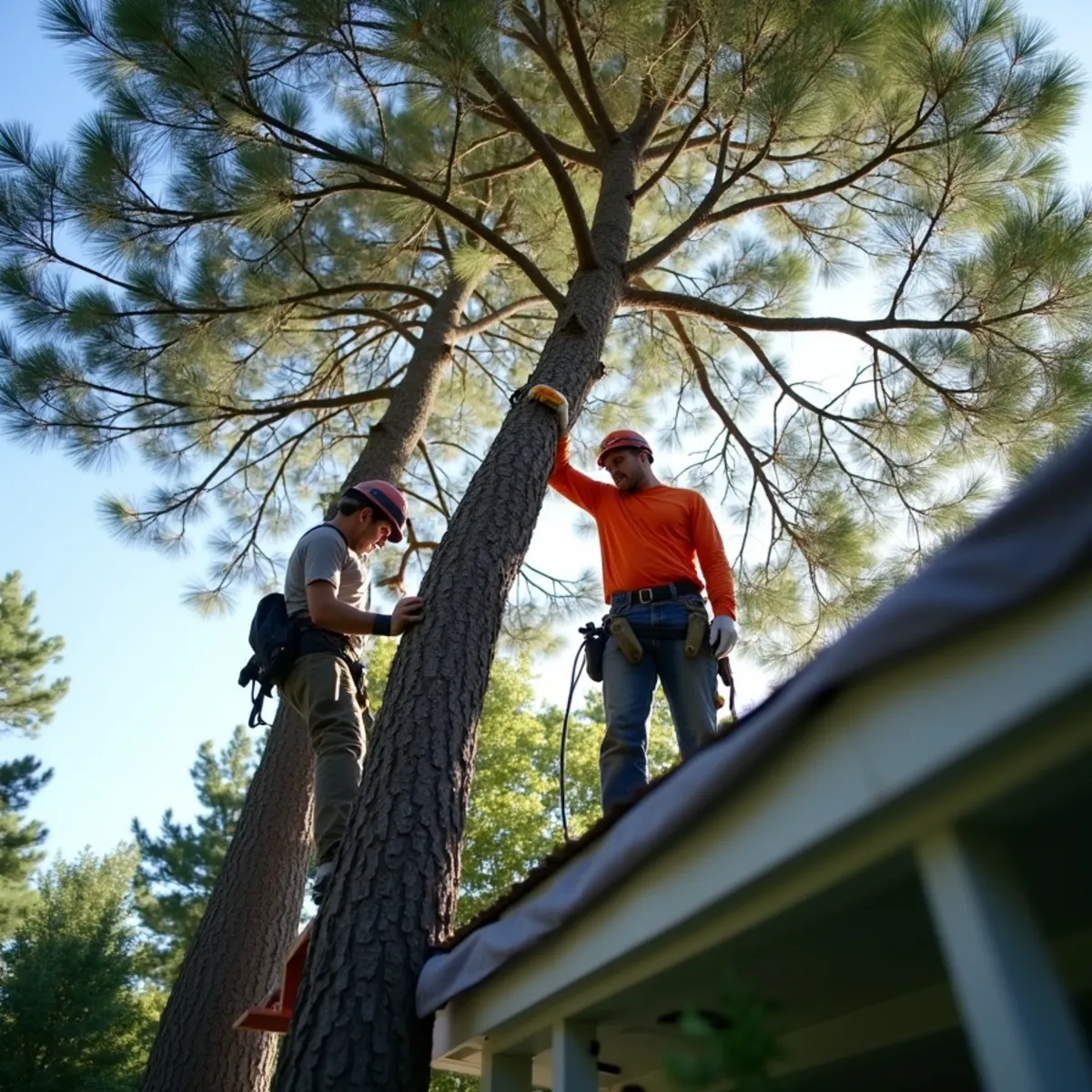
Leaning pine tree aligned directly over residential bedroom roof
Questions & Answers About This Topic
Can a leaning tree be pulled straight and staked with cables?
For small newly planted saplings under 3 inches in diameter, staking and straightening can work. However, for mature landscape trees weighing thousands of pounds, pulling a leaning tree straight is structurally impossible and will snap remaining anchor roots, accelerating total failure.
Does homeowners insurance pay to remove a leaning tree before it hits my house?
Standard homeowners insurance policies generally do not cover preventive tree removal if the tree has not yet fallen on a covered structure. However, if a tree is actively uprooting due to a recent documented storm event, some insurers cover emergency stabilization. We provide documentation.
How quickly will a tree fall once root plate mounding begins?
Root plate mounding indicates active structural failure. A tree in this condition can collapse within minutes under the next wind gust, or topple overnight under its own wet canopy weight. Immediate professional extraction is critical.
Can pruning the heavy side of a leaning tree fix the problem?
If the root plate is completely sound and the lean is mild, selective end-weight pruning can rebalance the center of gravity. However, if roots are already lifting or severed, pruning cannot restore root anchor strength.
Joe's Tree Care Field Editorial Team
Published by owner Joe and the arboricultural team at Joe's Tree Care. Serving Salisbury, Spencer, China Grove, and Rowan County with professional tree cutting, crane takedowns, and 24/7 storm damage recovery.