
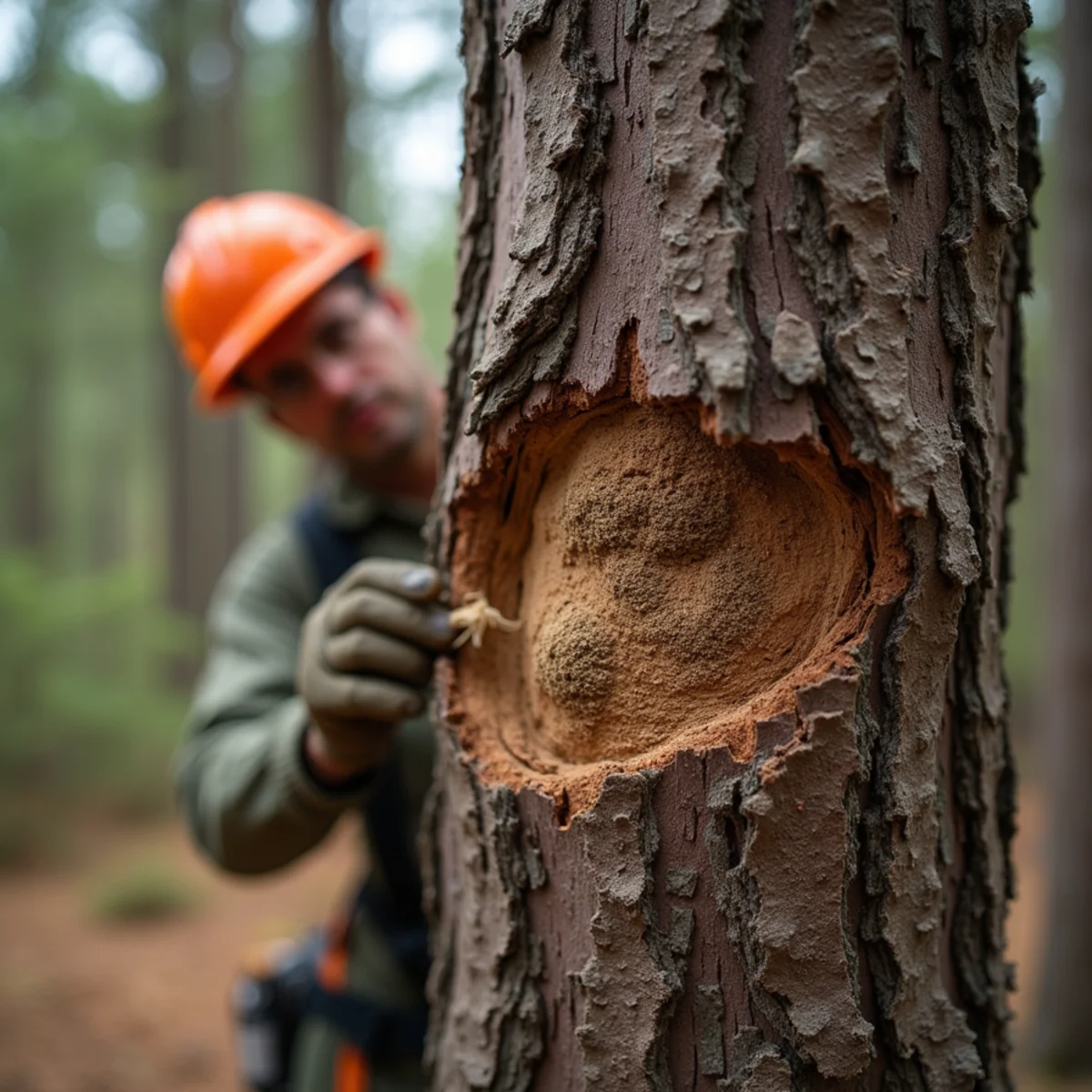
The first sign of Southern Pine Beetle (SPB) infestation is the sudden appearance of popcorn-sized white or reddish sap pitch tubes in bark crevices, accompanied by reddish boring dust at the tree's base. Within 3 to 6 weeks, pine needles fade from green to pale yellow and finally to rusty red as the tree dies. Call Joe's Tree Care at (855) 615-0568 immediately for rapid infested pine extraction to stop beetles from spreading to neighboring trees across Salisbury, NC.
The Biology of North Carolina's Most Destructive Forest Pest
The Southern Pine Beetle (Dendroctonus frontalis) is widely recognized by the North Carolina Forest Service as the most ecologically and economically devastating insect threat to pine forests across the Carolina Piedmont. While adult beetles are minuscule—roughly the size of a grain of rice (2 to 4 mm long)—they attack mature loblolly, shortleaf, and Virginia pines in overwhelming numbers.
During warm spring and summer months, adult beetles initiate attacks on stressed or drought-weakened pines. A pioneer female bores through the outer bark into the living inner phloem and cambium layers. As she feeds, she releases an aggregation pheromone that attracts thousands of flying adult beetles within a 24-to-48-hour window. The trees attempt to defend themselves by pumping out sticky oleoresin (pine sap) to drown the beetles. However, during mass attacks, the tree's resin reserves are exhausted, and the beetles successfully colonize the vascular tissues.
Diagnostic Checklist: Identifying the 4 Stages of Pine Beetle Infestation
Homeowners in Salisbury, China Grove, and Rowan County should inspect their pines using this symptom progression table:
| Infestation Stage | Visual Symptoms on Trunk & Bark | Canopy Needle Color | Action Required |
|---|---|---|---|
| Stage 1: Initial Attack (Days 1–7) | Popcorn-sized white/pinkish pitch tubes in bark furrows; fine white boring dust. | Green (Appears Healthy) | Urgent arborist inspection; evaluate therapeutic pesticide trunk injections. |
| Stage 2: Colonization (Weeks 2–3) | Reddish-brown frass (boring dust) piles on trunk flare; bark begins loosening. | Fading to Pale Yellow | Vascular system girdled; tree is structurally dying; schedule prompt removal. |
| Stage 3: Mortality (Weeks 4–6) | Large bark sheets sloughing off; extensive woodpecker chipping; S-shaped galleries. | Rusty Red-Brown | Immediate Removal Mandated |
| Stage 4: Post-Brood (Months 2+) | Beetles have exited; bark stripped bare; blue-stain fungus inside wood. | Grey / Bare Needles Fallen | Extremely brittle standing dead hazard; bucket truck/crane extraction required. |
The Deadly Partnership: Blue-Stain Fungus and S-Shaped Galleries
Southern pine beetles do not kill pines through physical chewing alone. Beetles carry spores of a symbiotic blue-stain fungus (Ceratocystiopsis) in specialized internal structures called mycangia. As adult beetles excavate winding, S-shaped egg galleries through the cambium layer, fungal spores germinate and rapidly colonize the sapwood xylem tubes.
The blue-stain fungus plugs the tree's water-conducting vessels, completely shutting down the upward flow of water from roots to needles. Within weeks, the needles desicate and die. When an infected pine is sectioned, the outer sapwood exhibits characteristic denim-blue or dark grey wedge stains. This fungal infection rapidly degrades wood strength, making beetle-killed pines notoriously brittle.
Why Quick Removal of Infested Pines Is Crucial for Neighbors
One infested pine tree quickly becomes a neighborhood disaster. A single colonized loblolly pine can produce up to 100,000 new adult beetles. When the new generation emerges from the bark, they do not fly away; they swarm adjacent healthy pines within a 100 to 200-foot radius, creating expanding "beetle spot" kill zones across suburban Rowan County properties.
The only scientifically proven method to stop an active Southern pine beetle spot is rapid physical extraction. At Joe's Tree Care, our specialists immediately dismantle the brood tree through our specialized pine tree removal services. We chip all branches and debark or haul away infested trunk logs, destroying the beetle larvae before they can emerge. If standing pines are dead and brittle, our team deploys bucket trucks and crane tree removal equipment in Salisbury to ensure safe takedowns.
Step-by-Step Visual Field Guide

White and pinkish popcorn pitch tubes oozing from loblolly pine bark
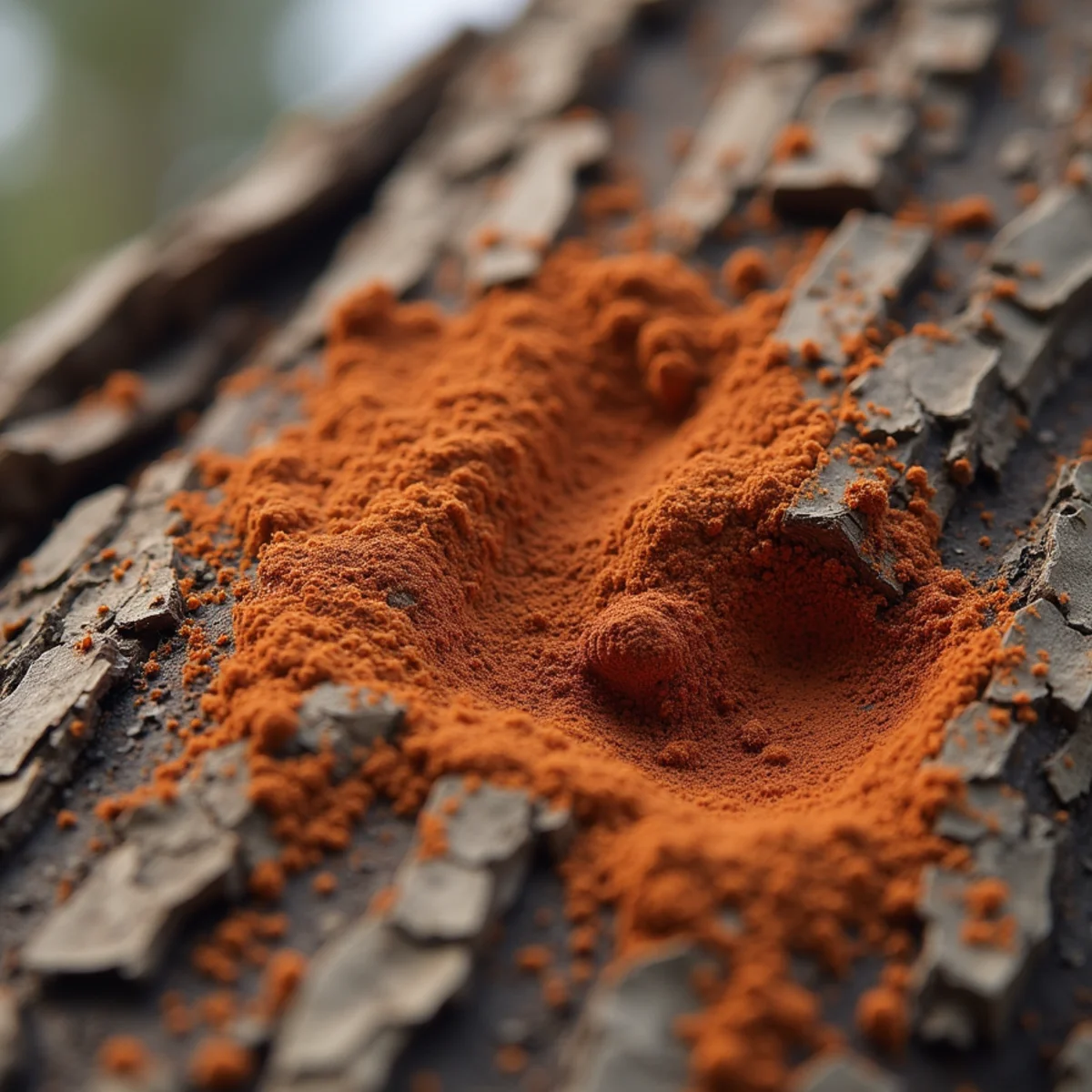
Fine reddish-brown boring dust accumulated in pine bark crevices
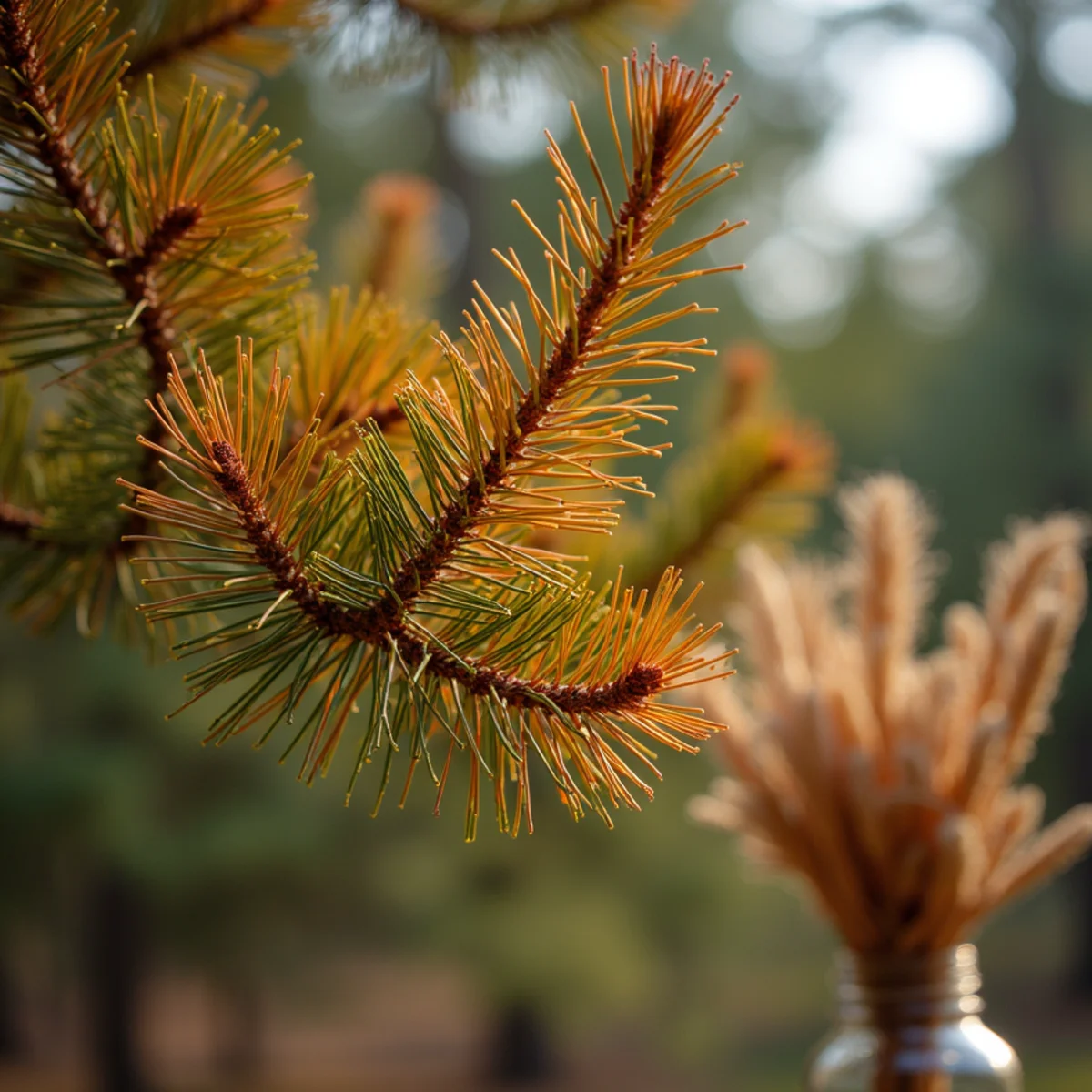
Pine canopy needles fading from yellow-orange to rusty brown
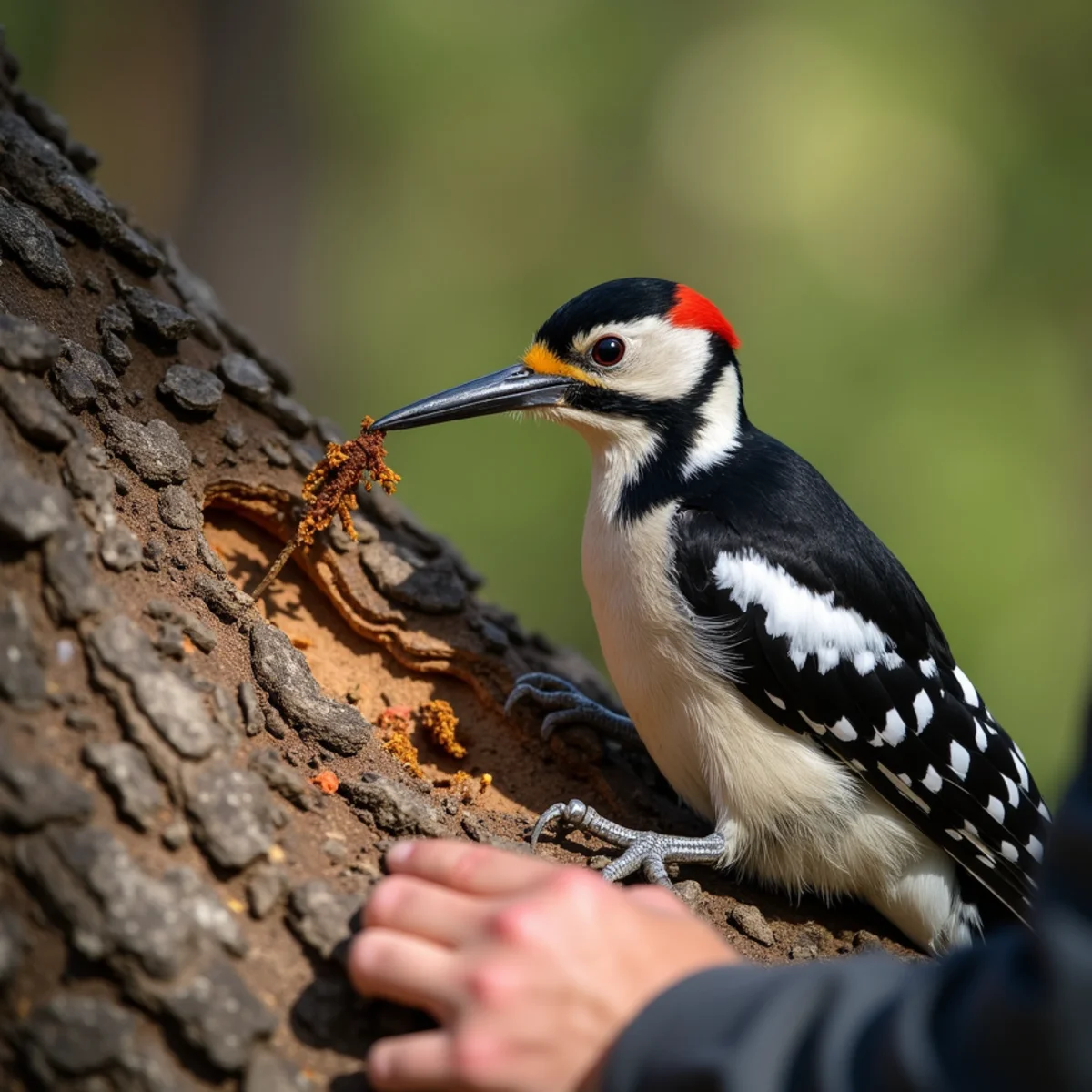
Woodpeckers flaking off pine bark searching for beetle larvae
Questions & Answers About This Topic
Can an insecticide spray save a pine tree with pitch tubes?
If the tree has reached Stage 2 where hundreds of pitch tubes cover the trunk and needles are fading yellow, the vascular cambium has been destroyed and insecticide sprays cannot save the tree. Insecticides are effective only as preventive perimeter sprays on adjacent healthy pines.
What is the difference between Southern Pine Beetle and Ips Bark Beetle?
Ips beetles are generally less aggressive, producing Y- or H-shaped galleries in the upper canopy branches and attacking severely drought-stressed trees. Southern Pine Beetles attack the main middle trunk in massive swarms, cutting S-shaped winding galleries that girdle healthy mature pines.
Can I use beetle-killed pine trees for firewood?
Yes, once properly seasoned. The blue-stain fungus does not ruin firewood heat value. However, unseasoned freshly cut pine containing active larvae should not be stacked near living pine trees in your yard.
How long can a beetle-killed pine tree stand before it falls?
Because blue-stain fungus and wood-boring secondary insects accelerate sapwood decay in North Carolina's humid climate, a dead pine can snap or topple in as little as 6 to 12 months after needle browning, making immediate removal essential.
Joe's Tree Care Field Editorial Team
Published by owner Joe and the arboricultural team at Joe's Tree Care. Serving Salisbury, Spencer, China Grove, and Rowan County with professional tree cutting, crane takedowns, and 24/7 storm damage recovery.