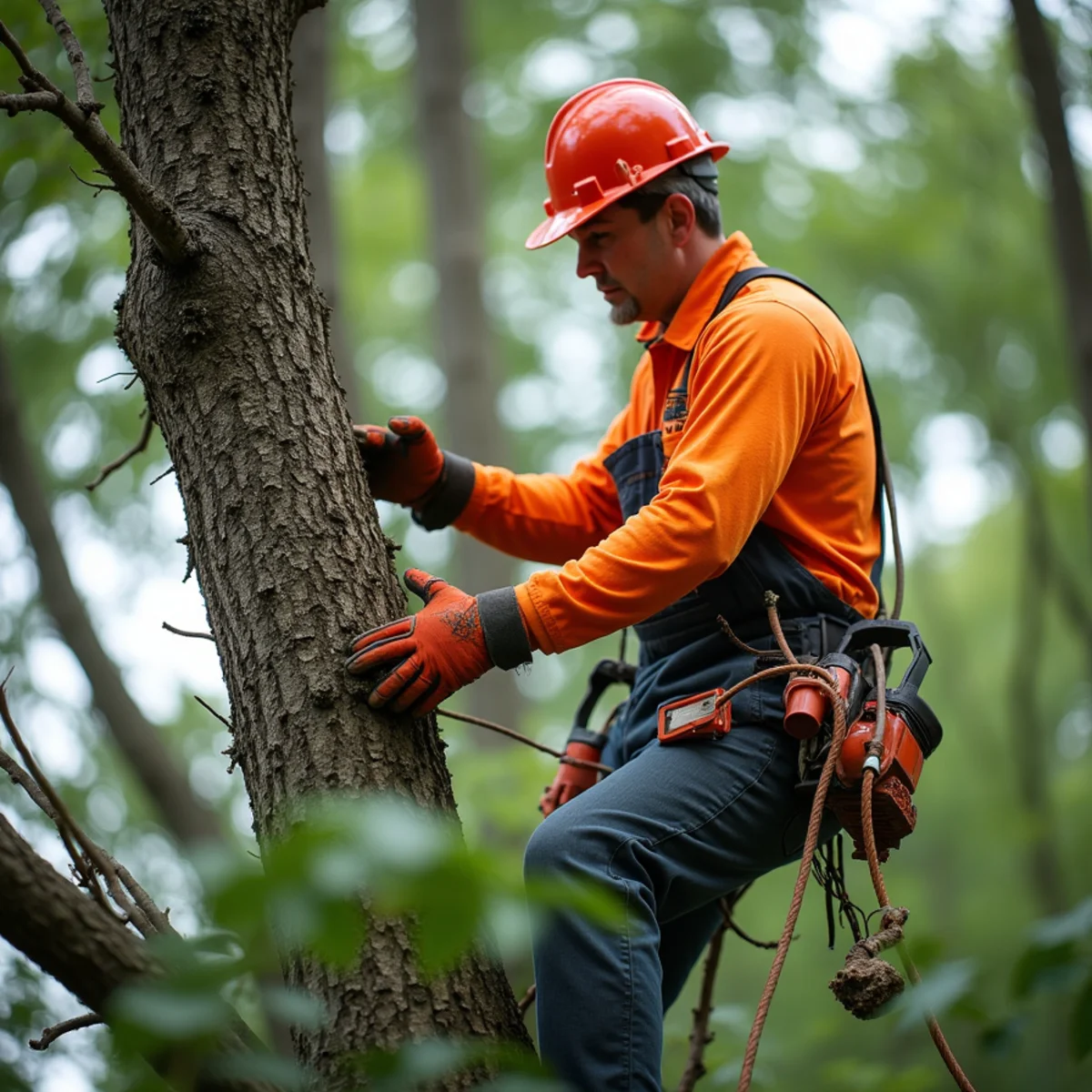
Storm-proofing trees in central North Carolina requires selective canopy thinning to reduce wind resistance, deadwood removal, structural cabling of weak V-crotches, and clearance pruning away from rooflines before hurricane season peaks in August. Taking proactive steps prevents middle-of-the-night roof strikes. Call Joe's Tree Care at (855) 615-0568 for certified arborist storm-hardening inspections across Salisbury, NC.
The Reality of Central North Carolina's Dual Storm Seasons
Property owners in Salisbury, Rowan County, and the broader Carolina Piedmont face two distinct annual severe weather threats: Late-Summer Tropical Cyclones (August – October) and Winter Glaze Ice Storms (December – February). Both weather phenomena place extreme mechanical stresses on residential tree canopies.
Waiting until a tropical storm warning or winter ice storm watch is issued by the National Weather Service is too late to protect your property. Once ground saturation occurs and gale-force winds begin, tree care companies are inundated with emergency calls and roads become impassable. Proactive storm hardening completed during calm spring and early summer months eliminates structural defects before severe weather strikes.
The 5 Essential Pillars of Tree Storm-Hardening
Professional arborists utilize five proven strategies to storm-proof residential tree canopies:
- Deadwood and Weak Branch Removal: Any dead, dying, or hollow limb larger than two inches in diameter represents a dangerous projectile during high winds. Brittle deadwood snaps cleanly and falls with crushing force onto roofs, vehicles, and air conditioning units.
- End-Weight Reduction (Not Lion-Tailing): Long, heavy horizontal branches acting as excessive levers on mature oaks are selectively shortened to strong lateral parent branches. This reduces the mechanical torque exerted on the branch collar during wind gusts.
- Canopy Aerodynamic Thinning: Selectively removing crossing, rubbing, and crowded interior branches creates natural "wind windows" through the crown. This allows hurricane-force gusts to pass through the tree rather than catching the canopy like a solid sail.
- Cabling and Bracing Multi-Stem Crotches: Trees with narrow V-shaped co-dominant unions (common in Bradford pears, silver maples, and willow oaks) are reinforced by installing high-strength synthetic arborist cables in the upper canopy to absorb wind shock loads.
- Structural Clearance Pruning from Dwellings: All branches extending over rooflines should be pruned back to provide at least 6 to 10 feet of clear air space, preventing shingles from being scrubbed off by wind-whipped limbs.
Pre-Storm Property Tree Inspection Checklist
Conduct a seasonal walkaround of your property using this arborist safety checklist:
| Inspection Zone | What to Look For | Risk Level | Arborist Remedy |
|---|---|---|---|
| Roofline & Chimneys | Limbs hanging within 6 feet of roof, dormers, or chimney masonry. | High (Roof Damage) | Clearance pruning to establish 8-10 foot vertical buffer. |
| Utility Service Drops | Branches resting on or weaving through electrical triplex lines. | Critical (Fire Hazard) | Coordinated utility drop and insulated pole-saw clearance trimming. |
| Main Trunk & Flare | Fungal shelf conks, hollow cavities, carpenter ant frass, vertical cracks. | Severe (Trunk Failure) | Acoustic trunk sounding; determine if removal or cabling is needed. |
| Soil & Root Base | Mounding soil, exposed severed roots, standing water in clay depressions. | Critical (Windthrow) | Structural risk assessment; sectional takedown if lean is severe. |
Avoid 'Lion-Tailing' and Tree Butchering
When hiring a tree trimming service to prepare for storm season, ensure they adhere strictly to ANSI A300 arboricultural standards. A dangerous and pervasive practice among untrained tree cutters is lion-tailing—stripping out all interior foliage and small branches, leaving a tuft of leaves only at the very tips of long limbs.
Lion-tailing destroys the tree's natural wind-dampening mechanics. Without interior branches to break up aerodynamic energy, the bare limbs whip violently like fishing rods, drastically increasing the likelihood of catastrophic limb failure during storms.
Joe's Tree Care provides professional, scientific tree trimming and pruning in Salisbury that hardens your canopy against high winds without damaging health. If a tree poses an unacceptable risk to your home, explore our proactive residential tree removal solutions and rapid emergency storm dispatch services.
Step-by-Step Visual Field Guide
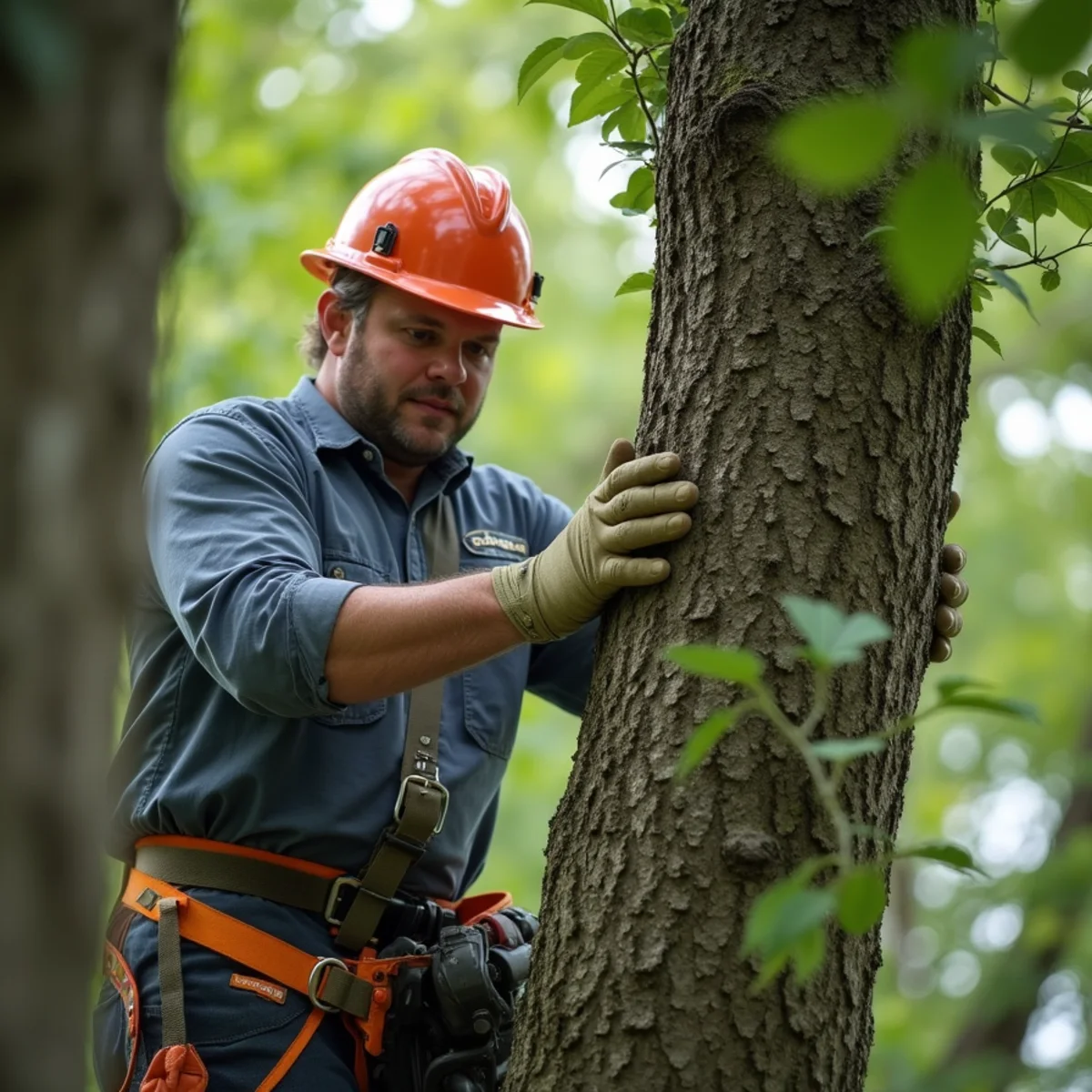
Arborist thinning canopy to reduce wind sail resistance before storm
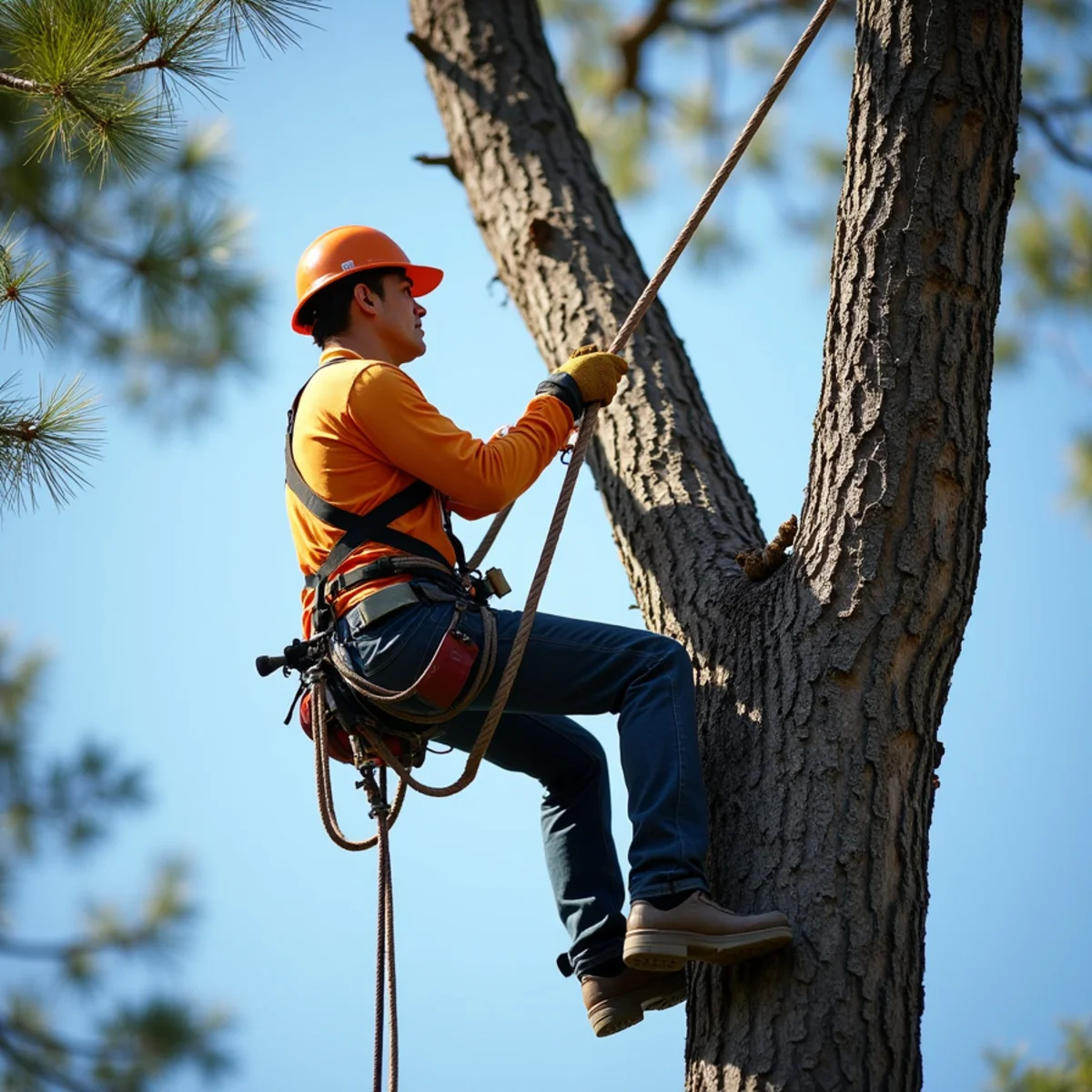
Removing dead brittle upper branches that snap in high winds
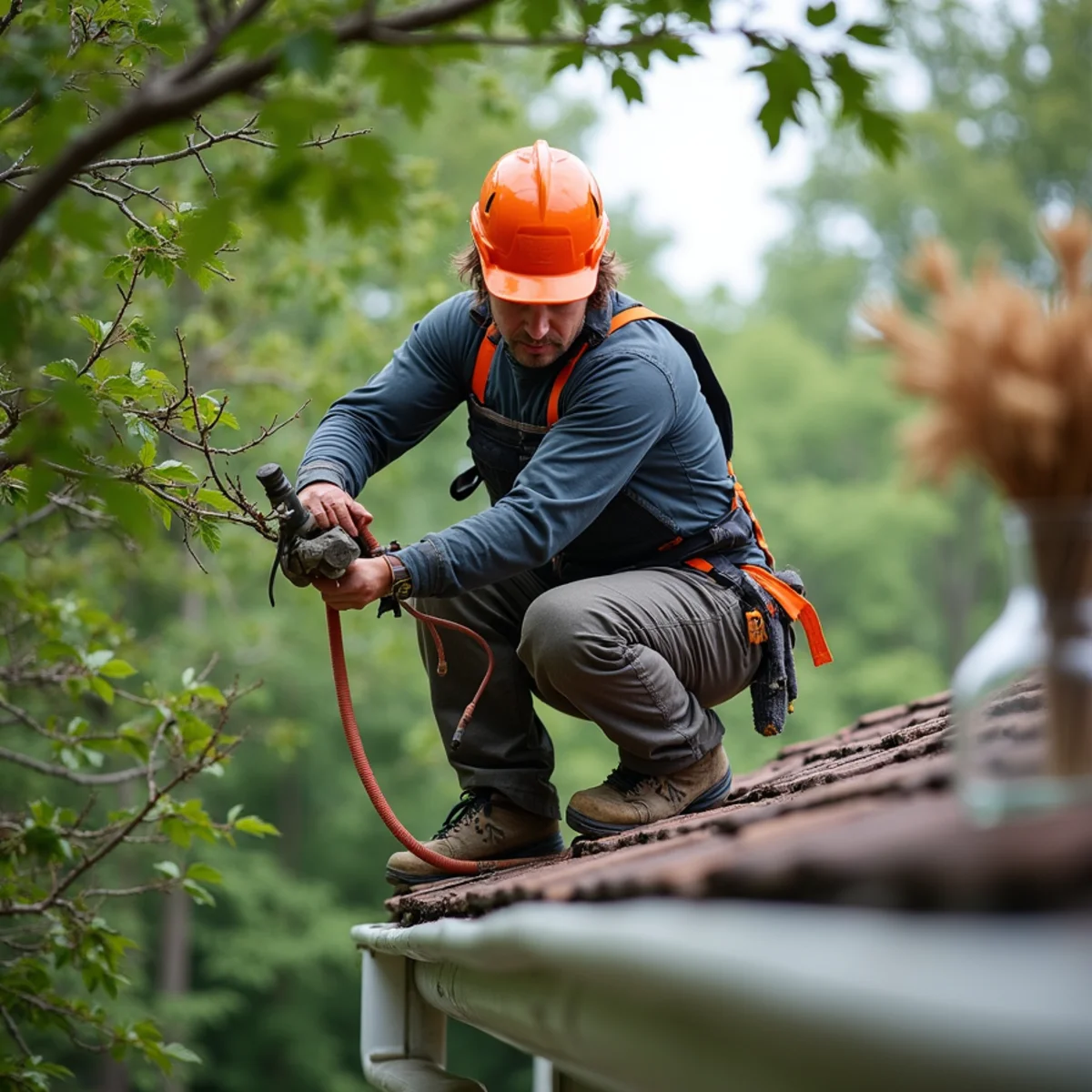
Pruning branches to maintain 10-foot clearance from roof and gutters
Questions & Answers About This Topic
When is the best month to storm-proof trees in central North Carolina?
Late spring and early summer (May through July) are ideal for inspecting canopies, evaluating foliage health, and pruning before the Atlantic hurricane season peaks in August and September.
Can cabling and bracing prevent a tree from splitting in a storm?
Yes. Flexible synthetic arborist cables installed in the upper third of the crown connect co-dominant trunks together, redistributing dynamic wind loads across both stems and significantly reducing split risk.
Will insurance pay for storm damage if I neglected to trim a dead tree?
Insurance adjusters can dispute or reduce claims if there is clear photographic evidence that an obvious dead or rotten tree was neglected for years prior to the storm. Proactive arborist maintenance protects your claim eligibility.
How much canopy can be pruned at one time without harming the tree?
Arboricultural standards state that no more than 20% to 25% of a mature tree's living canopy should be removed in a single growing season. Removing more starves the root system and triggers weak watersprout growth.
Joe's Tree Care Field Editorial Team
Published by owner Joe and the arboricultural team at Joe's Tree Care. Serving Salisbury, Spencer, China Grove, and Rowan County with professional tree cutting, crane takedowns, and 24/7 storm damage recovery.